
The biggest mistake people make when it comes to power, is thinking they don’t have any.
Alice Walker

Do your part by sharing and using the Naturally Intelligent Gifted Generous Extraordinary Race definition to encourage the dictionaries to add this definition to the word nigger and replace what is currently being used. Help our children become resilient and proud to define who they really are.

Click To Hear The Story Behind the Word
THE DICTIONARY’S DEFINITION


-
The term nigger is now probably the most offensive word in English. Its degree of offensiveness has increased markedly in recent years, although it has been used in a derogatory manner since at least the Revolutionary War. The senses labeled Extremely Disparaging and Offensive represent meanings that are deeply insulting and are used when the speaker deliberately wishes to cause great offense. It is so profoundly offensive that a euphemism has developed for those occasions when the word itself must be discussed, as in court or in a newspaper editorial: “the N-word .”
-
an extremely offensive word for a black person
-
an extremely offensive word for a black person
-
A member of a class or group of people who are systematically subjected to discrimination and unfair treatment
-
What a non-black person says when he wants to get jumped by black people.
Derogatory word used to insult african-americans.
Originally, “nigger” was a derogatory variant derivative of the Latin term “Negro” meaning black in color.
However, more recently, the cultural meaning has evolved to mean (amongst blacks and whites….derogatorily) a lazy, uneducated person, (of color). etc.
A group of criminals, thugs, and underachievers who blame white people for the source of all their problems.
-
A very offensive word for a black person
-
In the English language, the word nigger is an ethnic slur typically directed at black people, especially African Americans.

The Resilience guide for parents and teachers
Children’s problems include adapting to a new classroom, bullying by classmates, or abuse at home, but resilience is the ability to thrive despite these challenges.
How to help your child develop resilience in the face of racism and discrimination | Texas Children's Hospital

Favorites
"Never Gonna Break My Faith"
Aretha Franklin
“Greater Existence”
Brian Hyppolite
“The Power of Black Consciousness”
Malcom X
Our Goal. Our Definition.
The Extraordinary Black Race goal is for dictionary publishers and educational institutions to adopt our definition and perspective of the word nigger which better reflects its current usage, cultural understanding, educational needs.

N.aturally . I.ntelligent . G.ifted . G.enerous . E.xtraordinary . R.ace
Love to read? Our History is Amazing

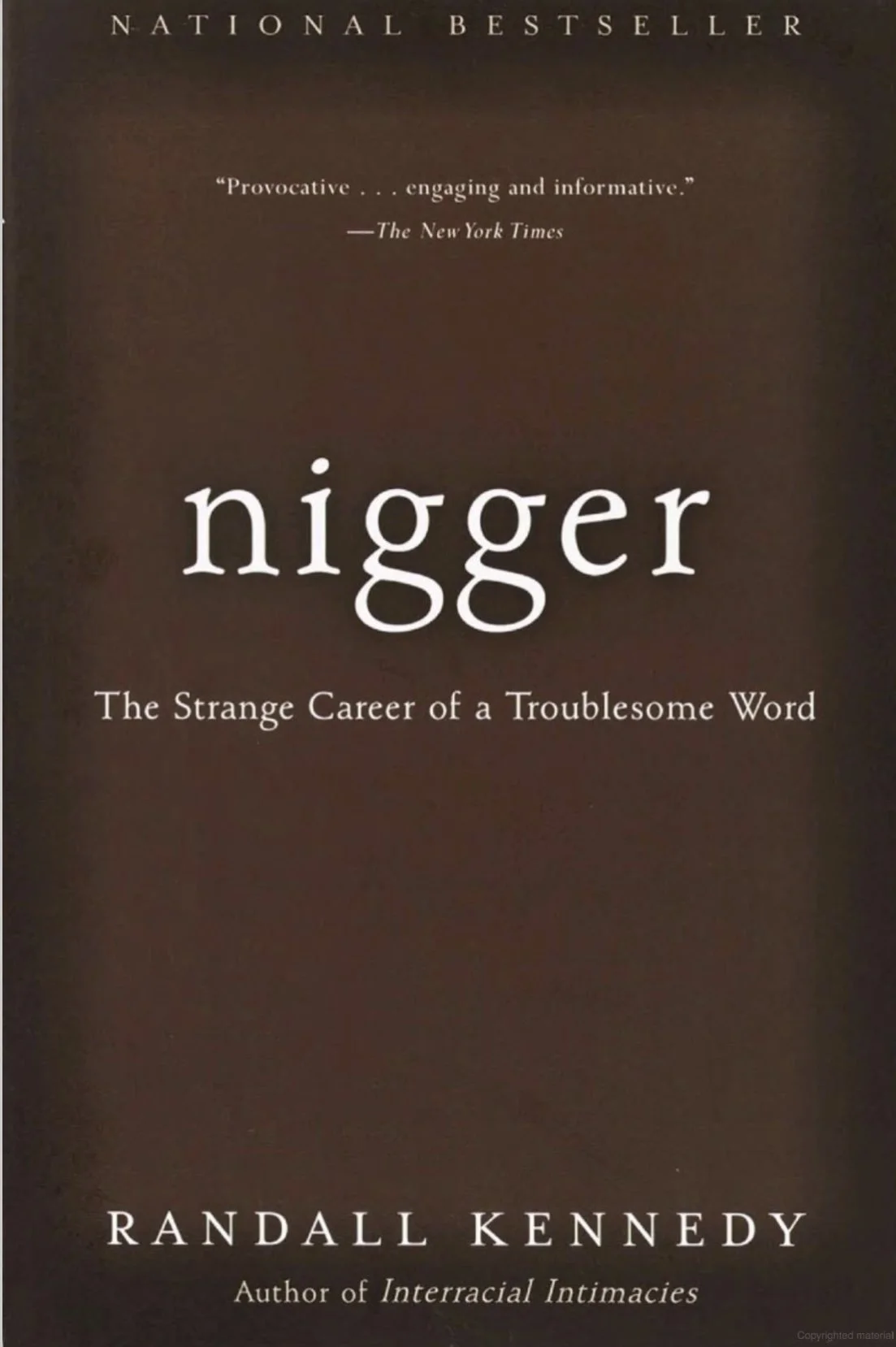
Nigger
Randall Kennedy takes on not just a word, but our laws, attitudes, and culture with bracing courage and intelligence—with a range of reference that extends from the Jim Crow south to Chris Rock routines and the O. J. Simpson trial.
It’s “the nuclear bomb of racial epithets,” a word that whites have employed to wound and degrade African Americans for three centuries. Paradoxically, among many Black people it has become a term of affection and even empowerment.
The word, of course, is nigger, and in this candid, lucidly argued book the distinguished legal scholar Randall Kennedy traces its origins, maps its multifarious connotations, and explores the controversies that rage around it.
Should Blacks be able to use nigger in ways forbidden to others? Should the law treat it as a provocation that reduces the culpability of those who respond to it violently? Should it cost a person his job, or a book like Huckleberry Finn its place on library shelves?
Source: Knopf Doubleday Publishing Group
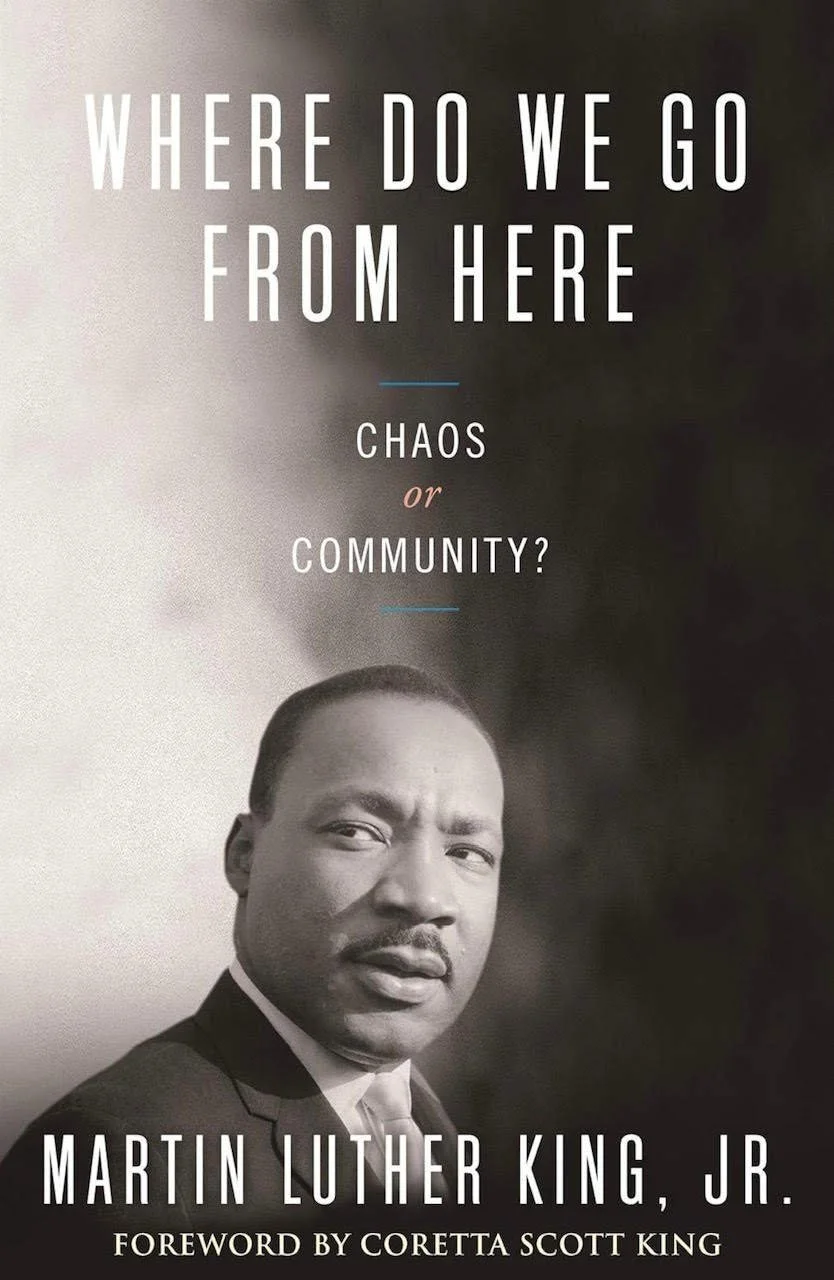
Where Do We Go From Here
The final book by Dr. Martin Luther King, Jr. in which we find we an acute analysis of American race relations and the state of the movement after a decade of civil rights efforts.
"In this book—his last grand expression of his vision—he put forward his most prophetic challenge to powers that be and his most progressive program for the wretched of the earth." —Cornel West
In 1967, Dr. Martin Luther King, Jr., isolated himself, rented a house in Jamaica with no telephone, and labored over his final manuscript. In this significantly prophetic work, we find King’s acute analysis of American race relations and the state of the movement after a decade of civil rights efforts.
Here he lays out his thoughts, plans, and dreams for America’s future, including the need for better jobs, higher wages, decent housing, and quality education. With a universal message of hope that continues to resonate, King demanded an end to global suffering, powerfully asserting that humankind—for the first time—has the resources and technology to eradicate poverty.
Source: Beacon Press
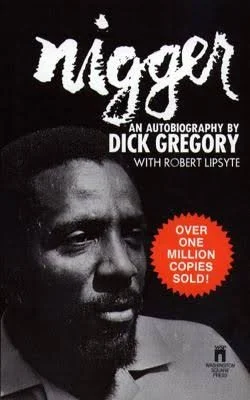
Nigger: An Autobiography
Fifty-five years ago, in 1964, an incredibly honest and revealing memoir by one of the America's best-loved comedians and activists, Dick Gregory, was published. With a shocking title and breathtaking writing, Dick Gregory defined a genre and changed the way race was discussed in America.
Telling stories that range from his hardscrabble childhood in St. Louis to his pioneering early days as a comedian to his indefatigable activism alongside Medgar Evers and Dr. Martin Luther King, Jr., Gregory's memoir riveted readers in the sixties. In the years and decades to come, the stories and lessons became more relevant than ever, and the book attained the status of a classic. The book has sold over a million copies and become core text about race relations and civil rights, continuing to inspire readers everywhere with Dick Gregory's incredible story about triumphing over racism and poverty to become an American legend.
Source: Plume
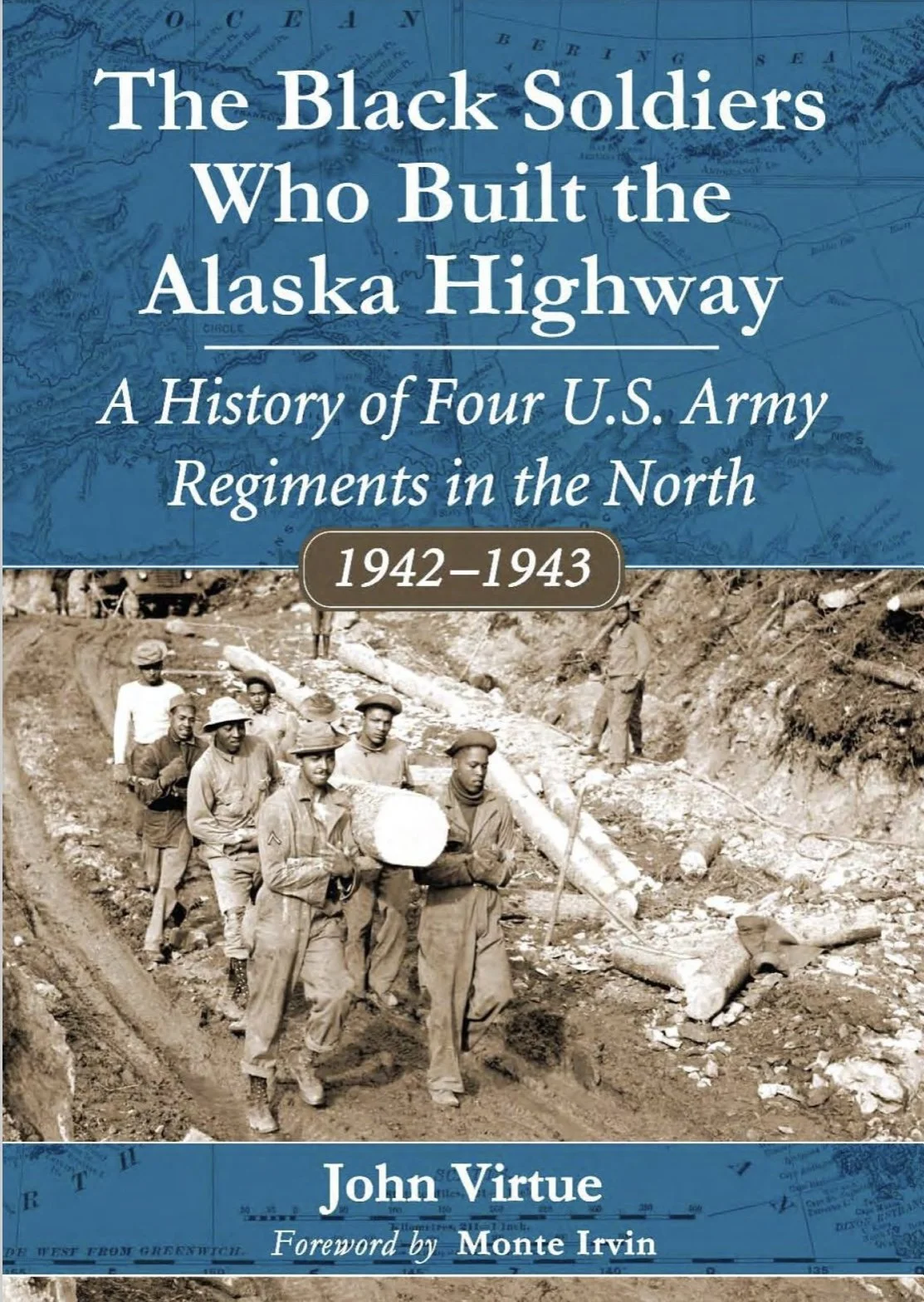
The Black Soldiers Who Built the Alaska Highway
This is the first detailed account of the 5,000 black troops who were reluctantly sent north by the United States Army during World War II to help build the Alaska Highway and install the companion Canol pipeline. Theirs were the first black regiments deployed outside the lower 48 states during the war. The enlisted men, most of them from the South, faced racial discrimination from white officers, were barred from entering any towns for fear they would procreate a “mongrel” race with local women, and endured winter conditions they had never experienced before. Despite this, they won praise for their dedication and their work. Congress in 2005 said that the wartime service of the four regiments covered here contributed to the eventual desegregation of the Armed Forces.
Source: McFarland & Company
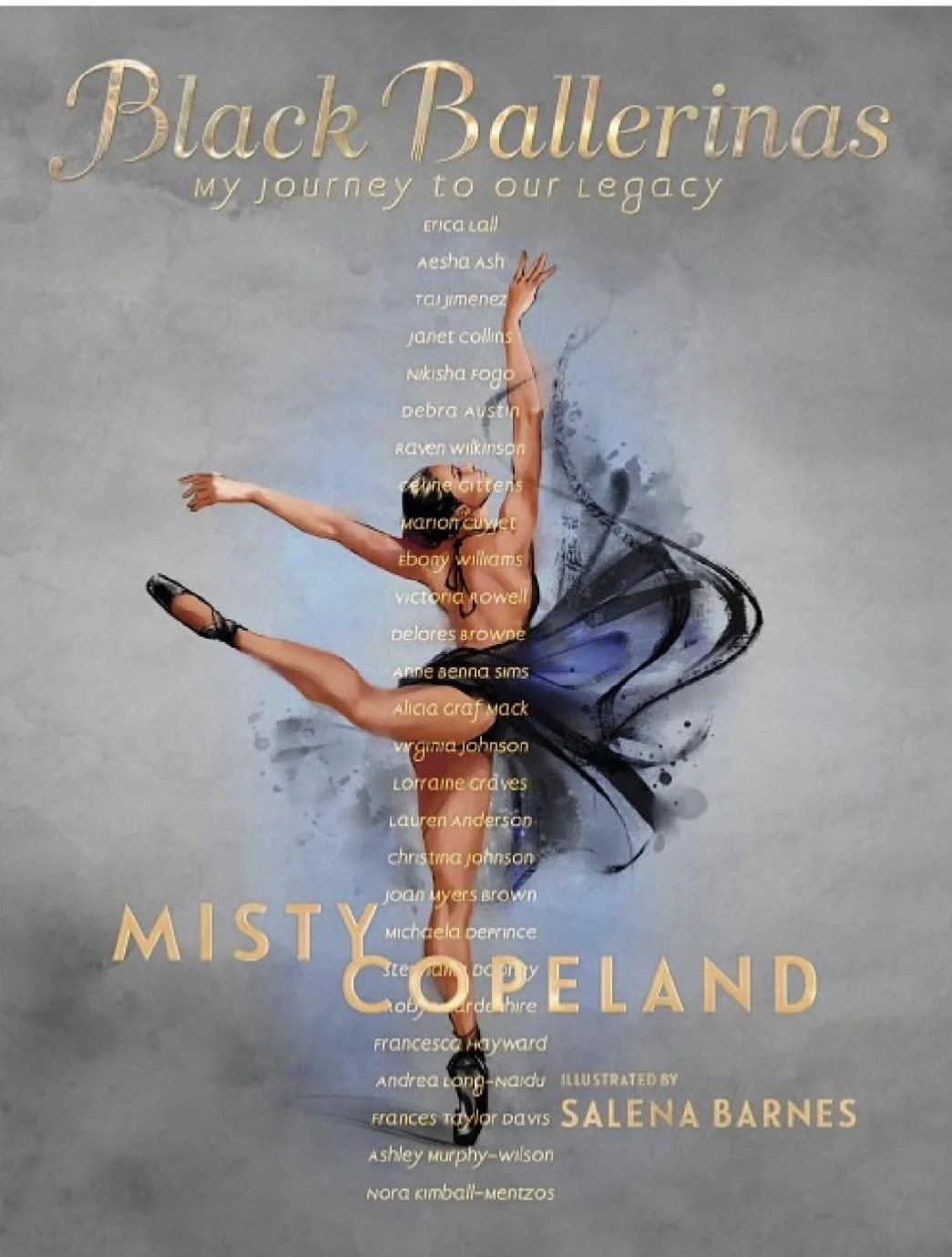
Black Ballerinas
From New York Times bestselling and award-winning author and American Ballet Theatre principal dancer Misty Copeland comes an illustrated nonfiction collection celebrating dancers of color who have influenced her on and off the stage. As a young girl living in a motel with her mother and her five siblings, Misty Copeland didn’t have a lot of exposure to ballet or prominent dancers. She was sixteen when she saw a black ballerina on a magazine cover for the first time. The experience emboldened Misty and told her that she wasn’t alone—and her dream wasn’t impossible. In the years since, Misty has only learned more about the trailblazing women who made her own success possible by pushing back against repression and racism with their talent and tenacity. Misty brings these women’s stories to a new generation of readers and gives them the recognition they deserve. With an introduction from Misty about the legacy these women have had on dance and on her career itself, this book delves into the lives and careers of women of color who fundamentally changed the landscape of American ballet from the early 20th century to today.
Source: Simon & Schuster
Brown Eyed, Blue Eyed Experiment.
Jane Elliott a school teacher; decided to teach her class a daring lesson in the meaning of discrimination. She wanted to show her pupils what discrimination feels like, and what it can do to people. Elliott divided her class by eye color — those with blue eyes and those with brown. She devises an experiment with the children in her class, who are only about six to seven years old. This ground-breaking experiment not only demonstrated lessons in racism, but also had a strong and powerful message about self esteem and self belief.
“Be brave enough to teach the history they are trying to erase”
-Unknown
“Not everything that is faced can be changed, but nothing can be changed until it is faced.”
-James Baldwin
For your viewing pleasure

One Night In Miami...
On the night of Feb. 25, 1964, in Miami, Cassius Clay joins Jim Brown, Sam Cooke and Malcom X, and they discuss the responsibility of being successful black men during the civil rights movement.
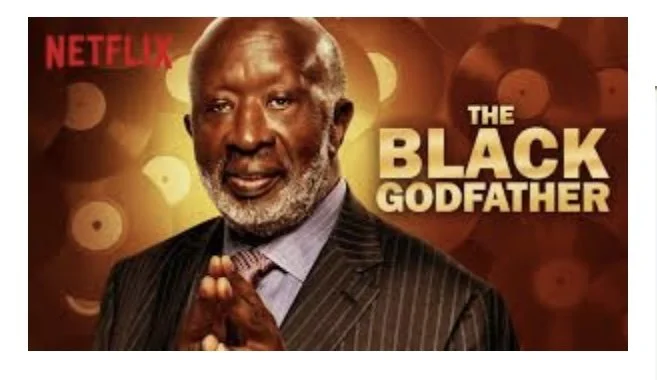
The Black Godfather..
The Black Godfather is a 2019 documentary film directed by Reginald Hudlin. The film depicts the story of music executive Clarence Avant, told by the people he worked with.

MY WHY
Who gets to define us?
On the morning of June 27, 2020, amid the national anguish surrounding the murder of George Floyd, I believe the Lord woke me early and gave me the idea that would become Extraordinary Black Race. I began thinking about one of the most painful words ever used against Black people—a word created and weaponized to degrade, diminish, and dehumanize us—and I began to see its letters differently: N.aturally I.ntelligent G.ifted G.enerous E.xtraordinary R.ace.® Those words reflected what I saw in Black people: our intelligence, creativity, generosity, resilience, faith, accomplishments, contributions, and extraordinary ability to rise.
Extraordinary Black Race is not about encouraging the use of a slur. It is about challenging the power we have allowed language to hold over our identity and asking a larger question: Who gets to define us? Our mission is to reclaim the authority to define ourselves and replace inherited harm with language rooted in value, dignity, and truth. We have the power to define ourselves. CHANGE THE MINDSET. LET’S DEFINE THE NARRATIVE. RECLAIM OUR IDENTITY. RESTORE OUR SELF-WORTH.